
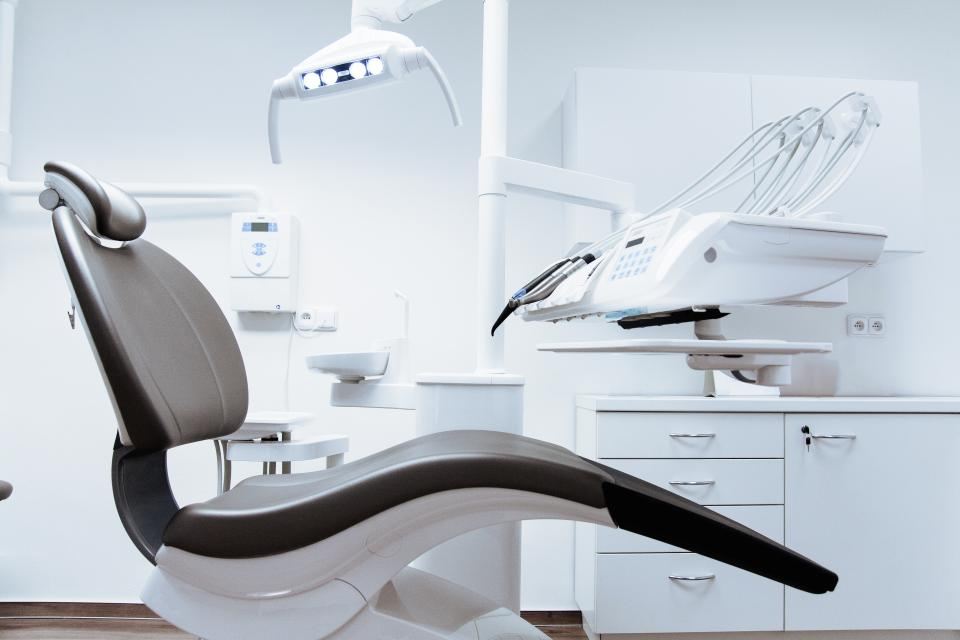
Root canal treatment removes infection from inside a tooth, then cleans, fills and seals it so the tooth can be kept rather than taken out. On the NHS it is a band 2 treatment, it is usually done under local anaesthetic, and the NHS says it normally takes 2 or more appointments. If you have been told you need one in Northampton, the main things to ask are how many visits your tooth will need, whether a crown will follow, and what the total cost will be.
Hearing the words "root canal" can be unsettling, mostly because few people know what actually happens. In practice it is a routine procedure that general dentists carry out every week, and its whole purpose is to save a tooth that would otherwise have to be removed.
This guide walks through the treatment step by step using NHS information, so you know what to expect before you sit in the chair. If you are comparing options, you can read how a local practice describes its root canal care in Northampton and use the questions below whether you go private or stay with an NHS dentist.
Why would a dentist recommend root canal treatment?
Inside every tooth is a soft core called the pulp, which contains nerves and blood vessels. The NHS explains that this pulp can become infected because of:
- tooth decay;
- gum disease;
- a chipped, broken or cracked tooth;
- a dental abscess, which is a build-up of pus in the teeth or gums.
Once the pulp is infected it will not heal by itself. The NHS page on dental abscesses is clear that an abscess will not go away on its own and needs dental treatment. The choice is usually between root canal treatment, which keeps the tooth, and taking the tooth out.
What are the warning signs of an infected tooth?
NHS guidance lists symptoms of a dental abscess that are worth knowing, because they often lead to a root canal referral:
- intense toothache or pain in the gum;
- sensitivity to hot or cold food and drink;
- a bad taste in the mouth;
- difficulty opening your mouth or chewing;
- a swollen face or jaw, swollen glands in the neck or a high temperature.
If you think you have an abscess, the NHS says to get an urgent dental appointment or contact NHS 111, not your GP, as GPs cannot provide dental treatment. Call 999 or go to A&E if swelling is affecting your breathing, speaking, swallowing or eyes.
What happens during root canal treatment?
The NHS describes the procedure in four stages. You are usually given a local anaesthetic, so you stay awake but should not feel pain while the dentist works.
- The dentist makes a small opening in the tooth.
- The infected pulp is removed, and any abscess is drained.
- The inside of the tooth is cleaned and shaped so it can be filled.
- A filling is placed and the tooth is sealed.
Between visits you may have a temporary filling. If the tooth was badly infected, the NHS notes that you may need a crown, a cap that covers the whole tooth, to protect it afterwards.
How many appointments does a root canal take?
The NHS says root canal treatment usually needs 2 or more appointments, and each one may last 1 to 2 hours, sometimes longer. Some practices complete simpler cases in a single visit. The number depends on your tooth and how far the infection has spread, which your dentist can explain once they have examined it. Ask your dentist for a likely plan at the start so you can book time off work or arrange childcare.
NHS or private: how do the costs compare?
In England, root canal treatment sits in NHS band 2. A crown is a band 3 item. If you need treatments from different bands in one course, you pay only the highest band. Private fees are set by each practice and vary with the tooth and how complex it is, so always ask for a written estimate.
| Question | NHS dentist | Private dentist |
|---|---|---|
| How is the fee set? | Fixed national band charge (root canal is band 2) | Set by the practice, usually confirmed after assessment |
| Listed NHS charge at the time of writing | Band 2: £76.60; band 3 (if a crown is needed): £332.10 | Not applicable; ask for an itemised quote |
| Is a crown included? | Covered within band 3 if clinically needed | Often priced separately; check |
| Free treatment for some patients? | Yes, for example under 18s and some benefit recipients | No |
| Complex cases | May be referred to a specialist | May be referred to an endodontist |
What is an endodontist, and do you need one?
An endodontist is a dentist who focuses on the inside of the tooth. Most root canal treatment is done by general dentists, but the NHS notes that a specialist is sometimes involved, and more complex cases may be referred on. The General Dental Council (GDC) keeps a specialist list for endodontics, and a dentist can only use the title "specialist" if they are on that list. You can check any dentist's registration on the GDC's online register.
What is recovery like afterwards?
According to the NHS, your face and jaw may feel numb for several hours while the anaesthetic wears off. The area may be swollen and sore, but this should improve within a couple of weeks. To help it settle:
- take paracetamol or ibuprofen if you need pain relief, following the packet instructions;
- avoid knocking or bumping your mouth;
- go to any follow-up appointments, including the one for a crown if planned;
- keep brushing and cleaning between your teeth, and keep up regular check-ups.
Checklist: questions to ask before you agree to treatment
- Is root canal treatment the right option for this tooth, or is extraction more realistic?
- How many appointments are likely, and how long will each take?
- Will I need a crown afterwards, and is it included in the price?
- What is the total fee, in writing, including any follow-up visits?
- Will you do the treatment, or refer me to a specialist?
- What should I do if pain or swelling gets worse between visits?
- If I am anxious, what options does the practice offer to help?
A local example
Cliftonville Dental is a private practice at 65 The Avenue, Cliftonville, Northampton NN1 5BT. Its website describes root canal treatment as a way to save damaged or badly decayed teeth, says some cases are finished in one visit while others take two appointments, and explains that a treated tooth is either filled or, where it needs extra strength, fitted with a crown. It says the fee depends on the tooth and how complex the treatment is, and that the cost is confirmed with the patient beforehand.
Frequently asked questions
Does root canal treatment hurt?
The NHS says you are usually given a local anaesthetic, so you should not feel pain during treatment. Soreness and swelling afterwards are common and should ease within a couple of weeks.
Can antibiotics fix an infected tooth instead?
No. NHS guidance says a dental abscess will not go away on its own and needs treatment such as drainage, root canal treatment or removing the tooth. Antibiotics may be given alongside treatment, not instead of it.
Is it better to just have the tooth taken out?
Removal is an option, but it leaves a gap that you may later want to fill with a bridge, denture or implant. Ask your dentist to explain both routes for your tooth.
Will I need a crown?
Not always. The NHS says a crown may be needed if the tooth was badly infected. Your dentist will tell you whether your tooth needs one and how that affects the cost.
Sources
- NHS: Root canal treatment
- NHS: Dental abscess
- NHS: Understanding NHS dental charges
- General Dental Council: Specialist lists
- General Dental Council: Search the register
General information only, not dental or medical advice. NHS guidance and charges were checked in October 2026 and can change. Ask your own dentist about your tooth.